This exercise is to produce a cover illustration for a natural history book for children (age 7-11) entitled Animals from Around the World. The image is to be used as a full colour front jacket to encourage children to choose this book from the library shelf. The aim is produce at least three ideas as coloured client visuals indicating size/format and type.
As it is requested for a modern audience I start by looking at some book cover designs relating to this topic. First of all the real thing (photography) just to get the feeling of the exotic animals to display:-

So included here are animals I am familiar with in Britain (deer, kingfisher, foxes), those from father afield, Africa may be (Lion, ape) and sea creatures (Turtle) etc. an across the board variety.
Next in looking for this imagery as an illustration I found some book covers as inspiration. This illustrated book cover has almost the identical title of the exercise. However I feel it concentrates on the Savanna wildlife of elephants, giraffes, zebras, monkeys. Those found in hot climates on Safari. The animal drawings are quite small.

It is helpful to look at these covers as it is providing material I need to think about:-
1.How many animals to include.
2. How large or small to draw them.
3. Do I choose to depict one or two in detail and the rest smaller
4. What kind of climate (hot or cold)
5. What kind of creatures, ie birds of the air or beasts of the land or sea (or all three?)
6. Are they going to be depicted in scale to each other or at random
7. What kind of background/landscape to include
8. And certainly not least or last, how to make the illustration interesting, to encourage a sense of curiosity in the subject.
There is also the issue of not “over-thinking” it too much at first otherwise I may feel too overwhelmed by the options. Re-framing this may be helpful in appreciating that the variety of styles of covers gives allowance for more then one result and to concentrate on producing something appealing to a young child and letting go of the final pieces for now.
In this book cover, the warm and cold climates to which animals have adapted are shown separately in the yellow/orange and blue colours. The sea also separate in the darker blue water . So you can learn about how different animals live in different environments:-

Then here is an “Animal Atlas” . The animals again quite small but not to scale. However you get a sense of how different animals originate from different parts of the world in keeping with the book title. It looks lively and exciting. The flying birds add a sense of movement:-

As a start in my own response to this exercise I am completing a “brainstorming” process. This feels more appropriate than a mood board, as it is such a wide ranging subject and to some extent beyond my personal surroundings (although some of the more exotic creatures I may have seen in contained sanctuaries. So brainstorming seems the best way forward . However rather than word association and listing lots of animals, I thought I would trial the approach of Bill Burnett & Dave Evans in their book on Design by asking a question “What do animals do?” to start to think about the characteristics of the animals from how a child may view them:-

I am aware that live animals at the circus are now more carefully monitored and any lion/tiger tamers are of the past, however I included this as more of a part of history of how we may be aware of these animals and their nature/abilities.
This is about connecting to the story of animals trying to see them through a child’s eyes so something of their activity mostly in the wild and what they like to do.
So now I thinking:-
Elephants balancing the world on their trunks.
Penguins sliding down a side of the world
Dolphins balancing the world on their noses
Camels as a caravan trail around, through the middle of the world.
These images may be useful:-
A logo from a cardboard box:-

or image from BBC web page:-

An elephant poster:-
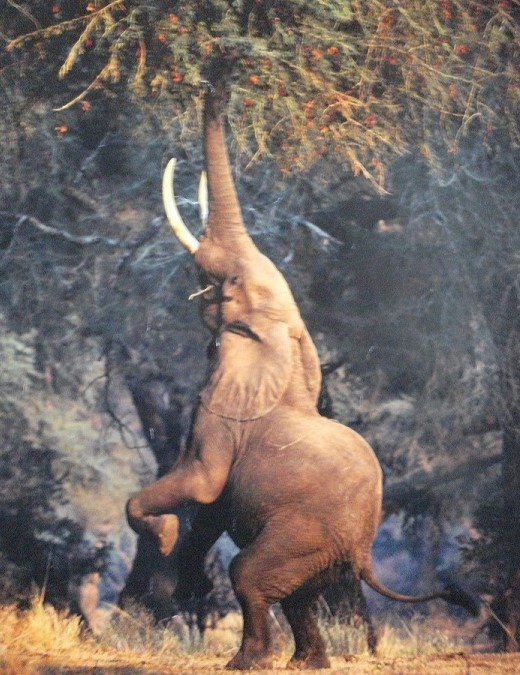
A camel:-

A colourful bird:-

So here are some thumbnail sketches of beginning with a blue whale & dolphins playing with the world as with a ball :-

Camels journeying around the world:-

And now the elephants:-

These thumbnails can form the basis of the three client visuals. The dolphins and the elephants are very grey/blue, so these will not work so well together. The visuals need to be colourful to be attractive to a young reader. Therefore the camels will provide the colour to either the elephant or dolphin drawings.
Thursday 27th August – some leave days and time in which to draw three line visuals:-
Here the world is on the tail end of the fish rather than in the curve of the fish body. This is a serious, responsible fish more for the eleven year old age group.

This visual is more fun – a smiling dolphin playing ball with the world and an elephant jogging happily behind a camel. This would appeal to a 8 to 9 year old audience:-

Finally a dynamic elephant balancing the world in its trunk, for the youngest – seven year olds:-

I decided to picture the world whole in all the visuals rather than animals walking through the middle of it. The latter seemed disconnected unless it were drawn on a larger scale. A fourth visual might have been the world drawn in two halves with animals walking over and through it, however my preferred three visuals are the line drawings as given above.
And here are the coloured visuals as requested completed in coloured pencils. First the blue whale in a square book format with room for the title/text at top left. The background could be a pale cream/yellow or even light lime green fading into blue around the fish among the blue sea lines :-

Now the dolphin, equally a sea-lion could have been shown spinning the world around, however that may have been too obvious a choice:-

On completion of the thumbnails the dolphin was my favourite image for this exercise. Interestingly now these coloured visuals are finished as it is the edginess of the blue whale holding up the earth that I like most.
For the elephant the design would be portrait page with the text horizontal about one third from the top edge. I am leaving the first camel’s coat white as this links in well with the underside of the elephant’s feet. There is space at the left side of the page opposite the elephant to introduce another creature and this would be my next discussion with the client. An addition of a black and white zebra might look good.

It feels good to show the animals actively engaging with the world, rather than just as passive beings. Hopefully it communicates the message that animals have a vital part in the well being of the planet and the camels give a sense of transport, journey and exploration to interest a young adventurer.
Further information: ( adding after coursework feedback) :-
It is interesting how by completing these illustration exercises and exploring topics it raises your general awareness.
On 30th September 2020 in a BBC article France “announces gradual ban on wild animals in circuses”.

Ecology Minister Barbara Pompili said “Our attitude to wild animals has changed – It is time to open a new era in our relationship with these (wild) animals – it is time our ancestral fascination with these wild beings no longer means they are kept in captivity”
Reference: https://www.bbc.co.uk/news/world-europe- 54353907
 Adelaide Art